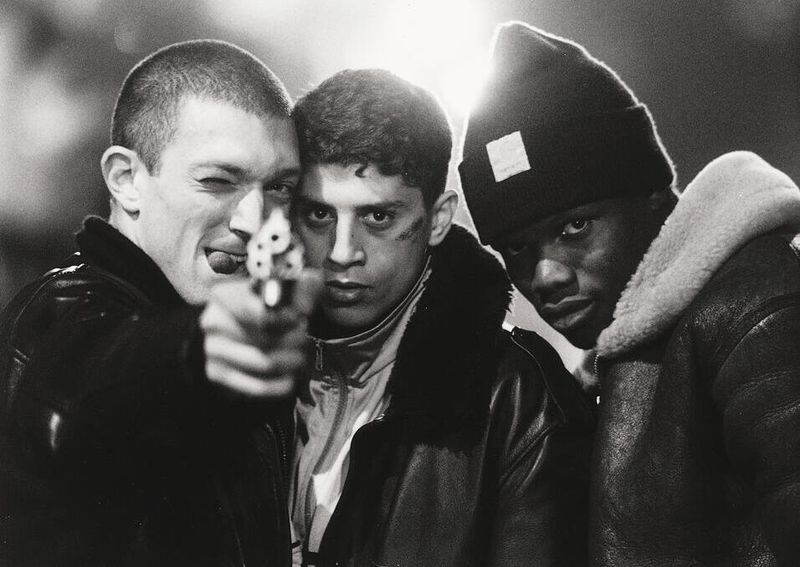
Twenty-four hours in the lives of three young men in the aftermath of violent riots on the outskirts of Paris. Vinz, a Jew, Hubert, of African descent, and Saïd, an Arab, drift aimlessly through the concrete maze of the banlieue, where frustration, anger, and hopelessness are passed down from one generation to the next. Mathieu Kassovitz’s iconic black-and-white drama has become one of the defining films of the 1990s and remains as urgent and powerful today as it was upon its release. La Haine is a gripping portrait of young people searching for their place in a society that refuses to listen to them, and a chilling reminder of how social inequality, prejudice, and violence are inherited across generations. The film won the Best Director Award at the Cannes Film Festival and three César Awards, including Best Film.
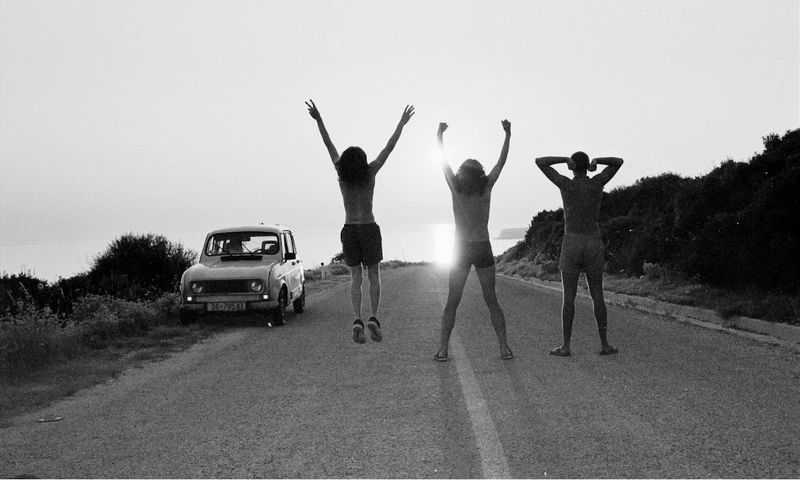
Director Ivan Ramljak tells the story of his former best friend, who died unexpectedly years ago. Together with those who knew him best, he tries to understand what really happened—not only to his friend, but also to themselves and to their entire generation. Composed of photographs and home videos left behind by his friend, the film captures both the hedonistic spirit and the melancholy of young people in Croatia at the turn of the millennium. It evokes the mood of a generation that survived war, longed to move forward, yet carried invisible scars within.
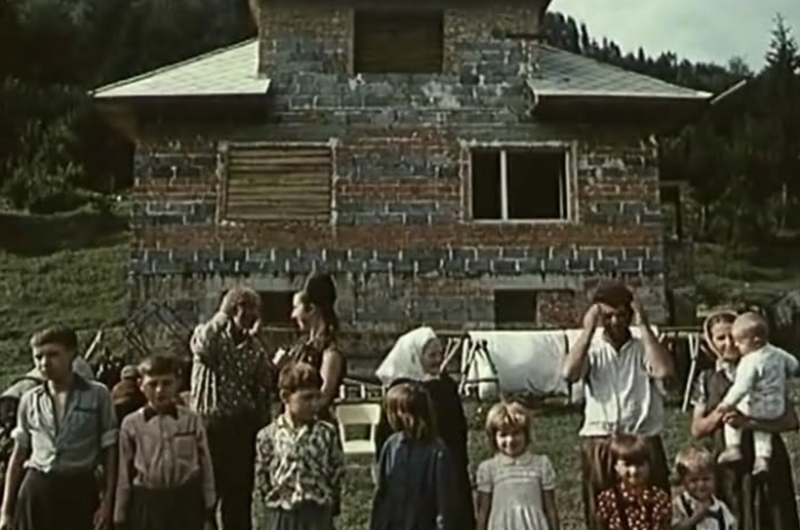
This year's selection of short films from the archives of the Slovak Film Institute offers a rich blend of period authenticity, observational filmmaking with an experimental edge, and educational cinema. We will revisit the anxieties of graduation exams, the care of three young orphans, the long construction of a family home marked by weddings and funerals, the joys and struggles of an amateur band, and the challenges of ageing at a time when concepts such as active ageing or the "silver economy" had yet to exist. These stories are seen through the eyes of several generations of documentary filmmakers – from the oldest, Kazimír Barlík (born 1923), to the younger Dušan Trančík (1946) and Fero Fenič (1951). The programme is curated and presented by film historian Eva Filová.
Graduates
Jaroslav Pogran, 1964, 11 min.
A documentary capturing the preparations for and the excitement surrounding students' graduation exams.
Vlado, Marienka, Jojo, Grandfather
Pavol Sýkora, 1966, 21 min.
A documentary about the lives of three young orphans and their grandfather.
Photographing the Residents of the House
Dušan Trančík, 1968, 16 min.
The happiest and most tragic moments in the life of a rural family.
Diadem
Fero Fenič, 1978, 22 min.
A documentary exploring the challenges faced by young members of an amateur music band.
The Problem of Age
Kazimír Barlík, 1980, 16 min.
An educational documentary about the principles of healthy nutrition for older people.
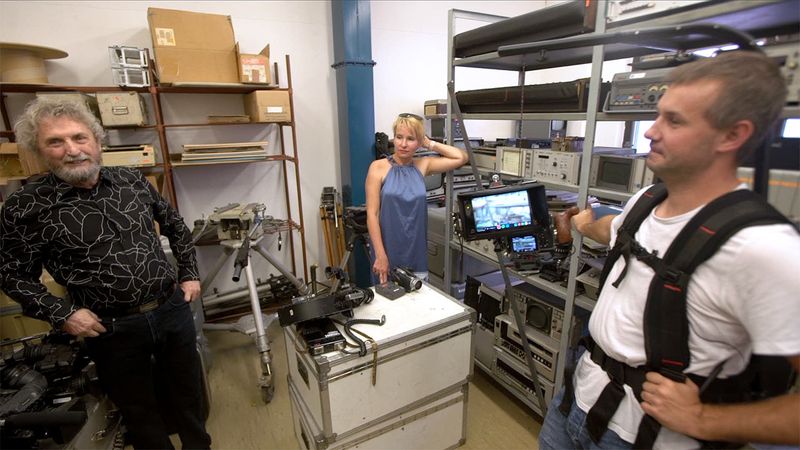
The director, Marek Kuboš, turns the camera on fellow documentary filmmakers from his own, the previous, and the next generation. Through a series of candid conversations, they reflect on their passion for filmmaking, the technical and economic realities of documentary production, its ethical boundaries, and the future of the genre. The result is a compelling 90-minute insight into the minds of Slovak documentary filmmakers, with a particular focus on the generation that helped shape the country's documentary cinema from the 1990s onwards. Alongside Kuboš, the film features Peter Kerekes, Marek Škop, Jaro Vojtek, Zuzana Piussi, Jaro Lehotský, and Robo Kirchhoff.
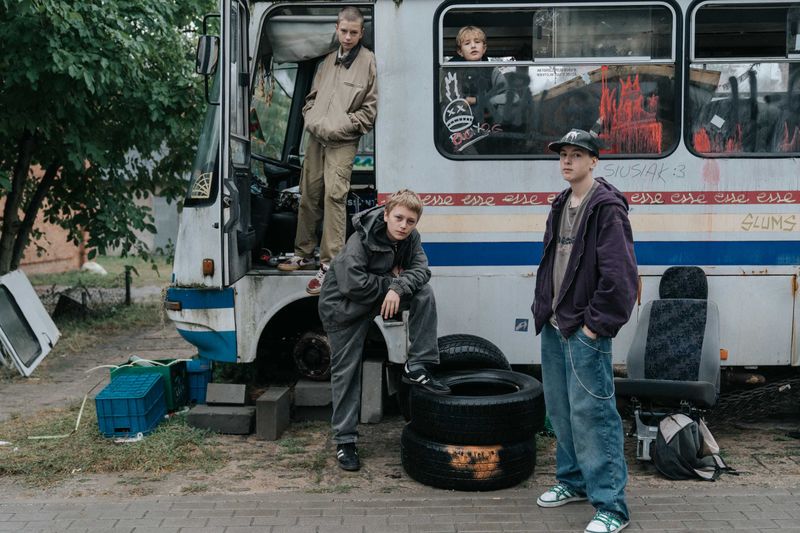
Frustrated by the indifference of adults and Church authorities to social injustice, a group of teenage altar boys decides to take moral renewal into its own hands. Armed with youthful idealism, courage, and their own interpretation of the Bible, they become self-appointed guardians of justice—helping those in need while punishing sinners. But their game of heroes gradually turns into a dangerous test of the boundaries between good and evil. With humour, energy, and irony, director Piotr Domalewski tells a distinctly generational story about coming of age, faith, authority, and young people's desire to change the world on their own terms. The film won the Golden Lions for Best Film at the Gdynia Polish Film Festival, the Audience Award, and the Polish Film Award (Orły) for Best Screenplay.
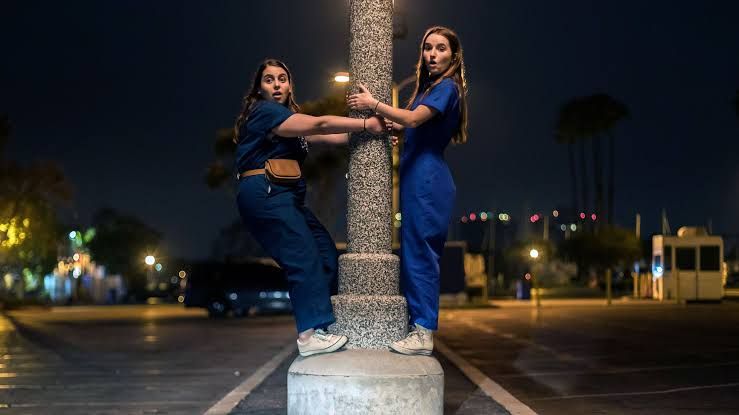
On the eve of their high school graduation, Molly and Amy realize that, in their relentless pursuit of academic success, they may have missed out on everything else. Determined to make up for lost time, they set out to cram four years of fun into a single unforgettable night. Olivia Wilde's sharp, witty, and energetic directorial debut captures the spirit of a generation coming of age, balancing the pressure to excel with the search for identity. Booksmart is a celebration of friendship, youth, and the moment when one chapter of life ends and another is just beginning. The film premiered at South by Southwest and earned Beanie Feldstein a Golden Globe nomination for her performance.
 Imrich Kutik (5).jpg)
Midnight Surprise is back! For the third year in a row, the film's title remains a closely guarded secret known only to a handful of insiders. In fact, even some members of the festival team have no idea what will be screened. We won't reveal anything more. All we can promise is that this year's selection engages with the festival theme, GENERATIONS, in an unexpected way. The rest will remain a mystery until the clock strikes midnight and the lights go down.
The FilmEU Alliance, bringing together eight European higher education institutions specialising in film and media arts, organises an annual festival showcasing films created by students from its partner schools. The award-winning films represent the very best of contemporary European student filmmaking, offering the 4 živly audience a glimpse into the themes, perspectives, and cinematic approaches of the newest generation of filmmakers.
This screening is presented in collaboration with the FilmEU Alliance.
Glitter Kiss
dir. Augustė Gerikaitė, Lithuania, 2025, 19 min.,
After discovering a brutally beaten drag queen, Klaudijus, in his apartment building, homophobe Rolandas reluctantly takes him to the hospital and becomes his first responder. As the police investigate and Klaudijus’ life hangs in the balance, Rolandas is forced to rethink his beliefs.
How to Listen to Fountains
dir. Eva Sajanová, Slovakia, 2025, 10 min.,
This is a film about public space. This is a film about the destruction of culture. This is a film about fountains that have had enough. In this film, fountains come to life, transforming into human beings, each with its own distinct personality. They speak up, asking people to notice them, appreciate them, and care for them. Their rebellion culminates in a protest at Freedom Square. What would happen if fountains could speak?
Prayer
dir. Sofia Geweiler, Portugal, 2025, 14 min.,
In a techno club in Lisbon, immigrant worker Abdul is on a video call with his wife, Aliyah, who is going into labor and begs him to be present, at least over the phone. At the same time, his colleague Maria desperately needs his help. Caught between work’s demands and his son’s birth, Abdul grapples with the fear of losing his job and the challenge of becoming a father from afar. On top of all that, he fights with his strict father-in-law for his right to perform the sacred tradition of reciting the Adhan for his newborn son.
Hot Flush
dir. Hana Hančinová, Slovakia, 2025, 27 min., ES
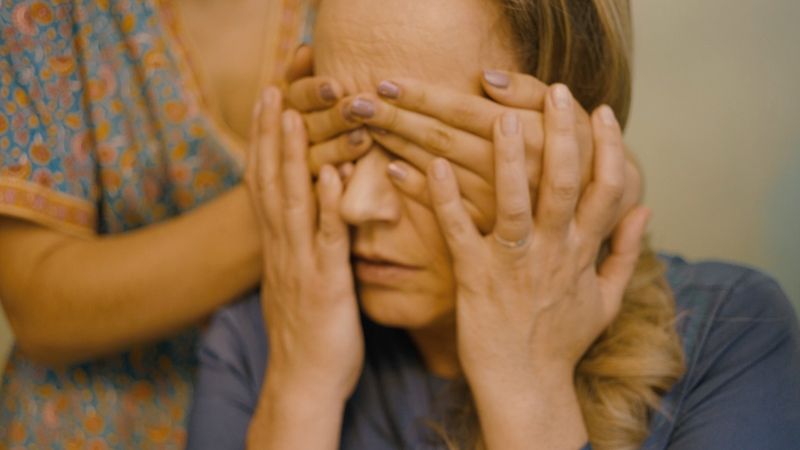
Elena is a social worker, a married woman entering a new stage of her life: menopause. As if that were not enough, Erik, one of the young men she has been supporting for a long time, misinterprets some of her gestures and initiates an unexpected sexual encounter in the staff restroom. The incident suddenly throws Elena into an existential crisis, forcing her to confront how she wants to live the rest of her life.
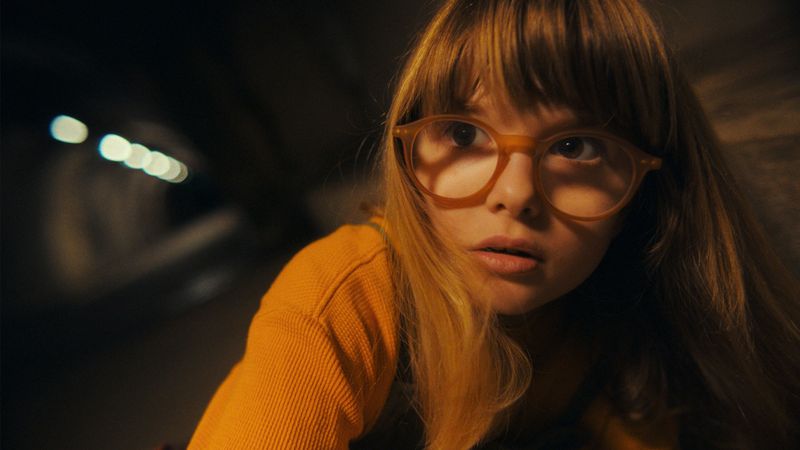
When ten-year-old Alice's parents mysteriously disappear, she turns to a group of young detectives for help. Their investigation becomes even more challenging when they have to include Alice's brother Milan, who experiences the world differently from everyone else. What initially seems like an obstacle gradually proves to be the team's greatest strength. Through trust, understanding, and new ways of communicating, the children discover that Milan's unique perspective is exactly what they need to solve the mystery. Directed by Marina Andree Škop and Vanda Raýmanová, this adventurous family film is a heartwarming story about difference, friendship, and the power of cooperation. Blending humour, suspense, and detective adventure, it reminds us that every generation has something to learn from another, and that our differences can bring us together rather than drive us apart. The film had its international premiere at the BUFF Film Festival in Malmö, Sweden, in 2026.
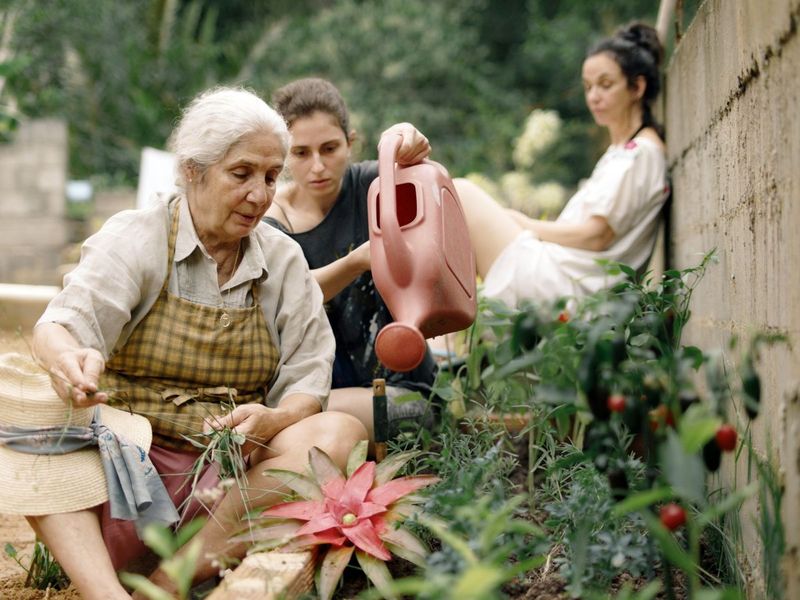
Rio de Janeiro, late 1990s. Once a celebrated stage actress, Malu now lives on the margins of society, struggling with bipolar disorder, memories of her former glory, and constant clashes with her conservative mother, Lili. When her estranged daughter Joana returns after years apart, three generations of women are forced to confront their conflicting views on life, art, freedom, and family. Pedro Freire's sensitive debut feature is an intimate family drama about the complex bonds between mothers and daughters, the legacy of inherited trauma, and the possibility of reconciliation. Set against the backdrop of a changing Brazil, the film explores how personal histories intertwine with the country's own transformation, and how love and understanding sometimes emerge only when time is running out. Malu had its world premiere in the World Cinema Dramatic Competition at the Sundance Film Festival.
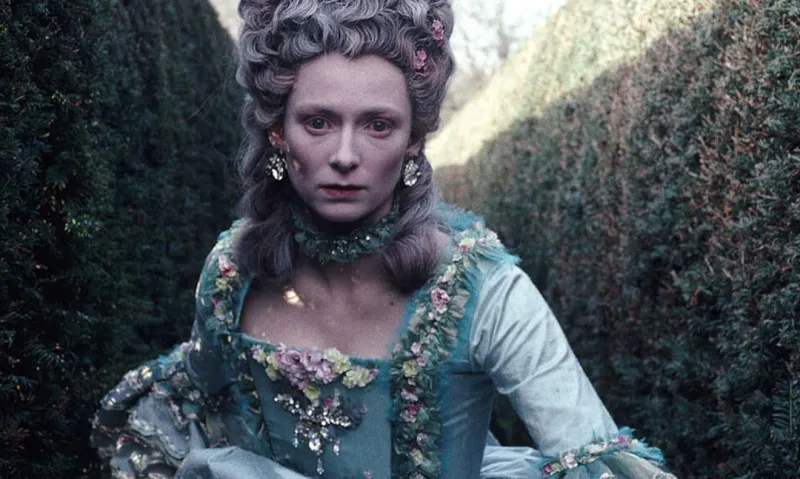
A visually mesmerizing journey across several centuries, from the Elizabethan era to the 20th century, starring the extraordinary Tilda Swinton. An adaptation of Virginia Woolf’s novel, in which gender is presented as fluid, interchangeable, and ever-changing—long before feminist philosopher Judith Butler articulated these ideas.
“Orlando had become a woman—there is no denying it. But in every other respect, Orlando remained exactly as before. The change of sex, though it altered the future, did nothing whatever to alter identity. The face, as the portraits prove, remained practically the same. The memory—but from now on we must, for convention’s sake, say ‘her’ instead of ‘his,’ and ‘she’ instead of ‘he’—her memory then went back through all the events of her past life without encountering any obstacle.”
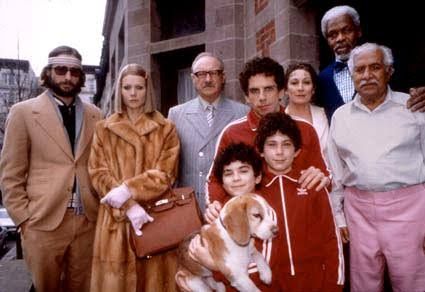
The eccentric Tenenbaum family once seemed to embody the American dream. Three exceptionally gifted siblings—financial prodigy Chas, tennis champion Richie, and playwright Margot—achieved remarkable success at a young age. Years later, however, their lives have been marked by disappointment, unfulfilled expectations, and family resentments. Their estranged father Royal unexpectedly returns, determined to win back the affection of the family he abandoned. Wes Anderson’s cult tragicomedy is a distinctive mosaic of family relationships, squandered talent, generational expectations, and the possibility of redemption. With his trademark visual precision, deadpan humor, and an outstanding ensemble cast, Anderson creates a portrait of a family in which each generation inherits not only extraordinary gifts but also the failures and traumas of those who came before. The film earned Gene Hackman a Golden Globe for Best Actor and received an Academy Award nomination for Best Original Screenplay for Wes Anderson and Owen Wilson.
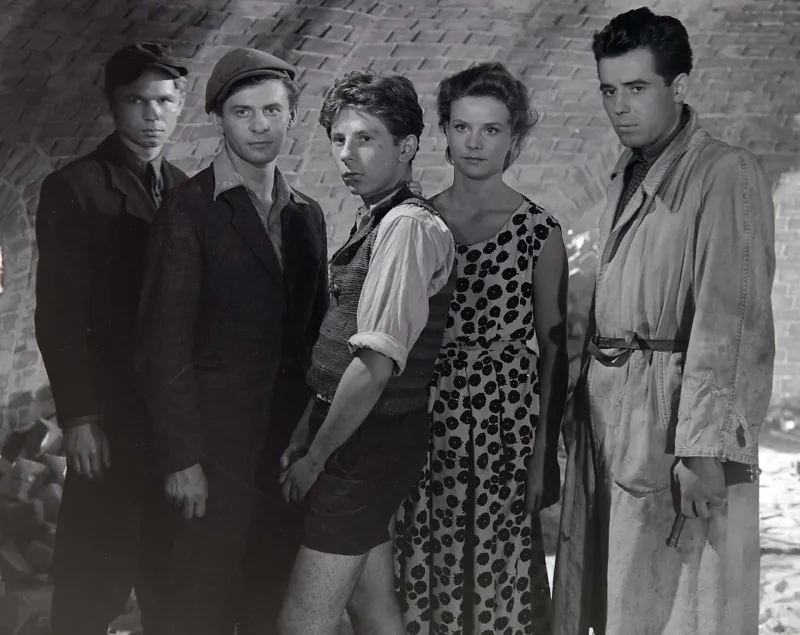
Warsaw, 1942. Stach, Jaś, and Dorota belong to a generation whose youth has been shattered by war. Under Nazi occupation, they are forced to make decisions far beyond their years, torn between the desire for an ordinary life and the necessity of resisting evil. Andrzej Wajda tells their story without heroising them, portraying young people compelled to grow up too soon by the circumstances around them. A Generation, Andrzej Wajda's feature debut, marked the beginning of his acclaimed War Trilogy while also symbolising the emergence of a new generation of Polish filmmakers. Made just ten years after the end of the Second World War, the film introduced an unprecedented sense of authenticity, visual power, and humanity, laying the foundations for the Polish Film School. The story of one generation shaped by war thus became the manifesto of another—the generation of filmmakers who redefined European cinema in the post-war era.
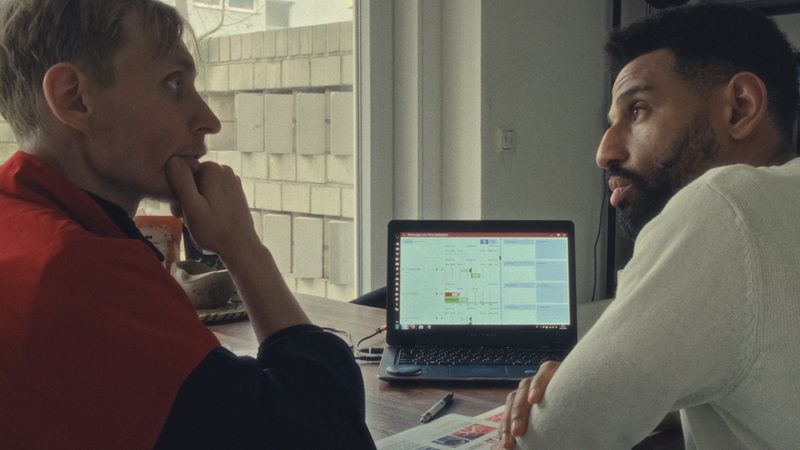
What is passed down from one generation to the next today? Not only values and experiences, but also fear, distrust, and the ways we make sense of the world. The documentary Soldiers of Light takes us inside Germany's Reichsbürger movement through David, better known as “Mister Raw” – a successful influencer promoting veganism, dietary supplements, and an alternative lifestyle. Alongside his wellness content, however, he spreads conspiracy theories, pseudoscience, and a vision of a new society. Thanks to a personal connection with the film's protagonist, directors Johannes Büttner and Julian Vogel gained extraordinary access to this closed community, where the desire for belonging intertwines with manipulation, power structures, and financial exploitation. Soldiers of Light is a disturbing documentary portrait of people searching for certainty in an increasingly uncertain world, while offering a sharp analysis of the mechanisms through which extremist ideologies spread across digital platforms and attract a new generation of followers. The film had its world premiere at Visions du Réel in 2025.
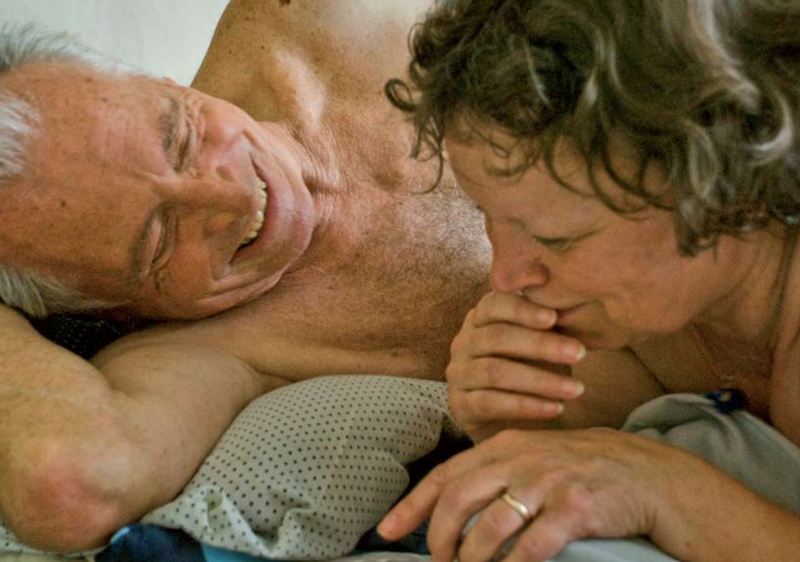
Inge is in her sixties, has been married for thirty years, and still loves her husband. But when she unexpectedly falls in love with Karl, a man ten years her senior, her life is turned upside down. In his acclaimed drama, Andreas Dresen gently yet uncompromisingly dismantles stereotypes about ageing, reminding us that desire, passion, and the need for intimacy know no age limits. Cloud 9 is an intimate generational reflection on love, sexuality, and the courage to begin again at a stage in life when all the most important decisions are thought to have already been made. The film premiered in the Un Certain Regard section at the Cannes Film Festival, where it received the Heart Throb Jury Prize.